The Australian microgrid market is growing fast. More people need electricity now. People want cleaner energy sources. This brings new chances for growth. Microgrids help towns lower greenhouse gas emissions. They also help people use their own energy. Microgrids protect against fuel price changes. They help when energy supply is not steady. Many country areas use solar microgrids. This helps them save money and stay strong. The market was worth USD 704 million in 2024. It may reach USD 1,500 million by 2033. Battery storage helps the market grow. Government support also helps this growth.
The Australian microgrid market is growing fast. People want cleaner energy. They also want more control over their electricity.
Battery storage costs are now much lower. This makes microgrid projects cheaper. It also helps more communities use them.
Government support is very important for microgrids. It gives money and resources. This helps with technical and money problems.
Microgrids make energy more reliable. Communities can keep power during outages. They also use less fossil fuel.
New technologies like AI make microgrids work better. These help Australia become a leader in energy solutions.
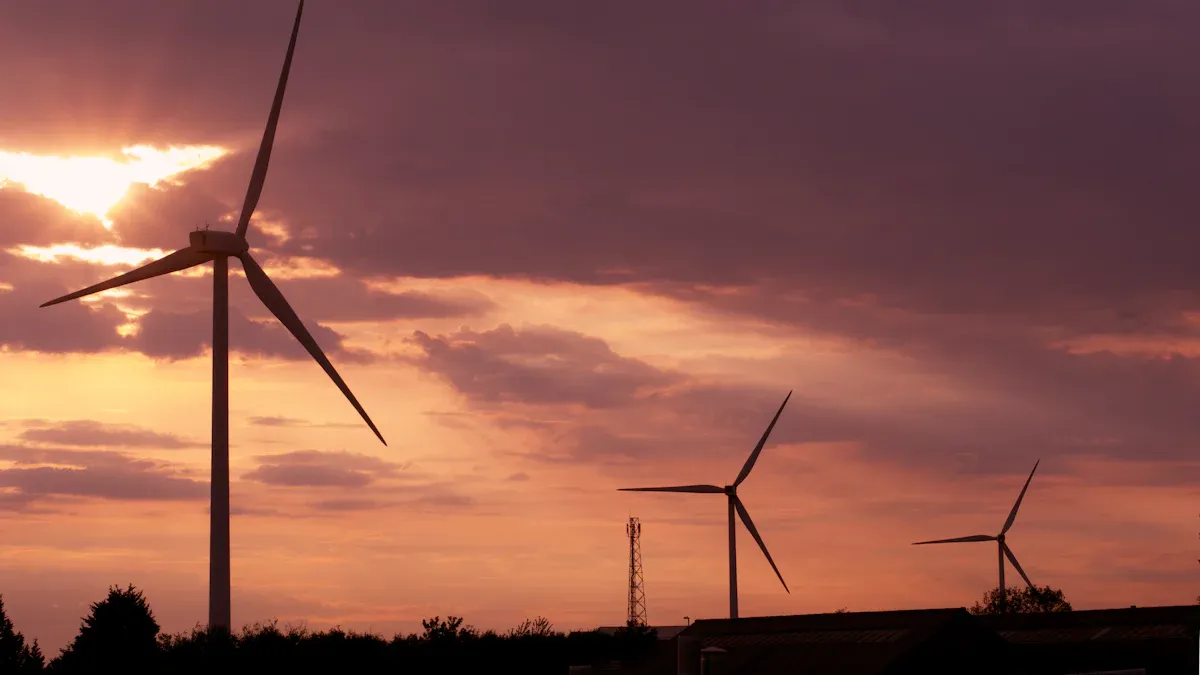
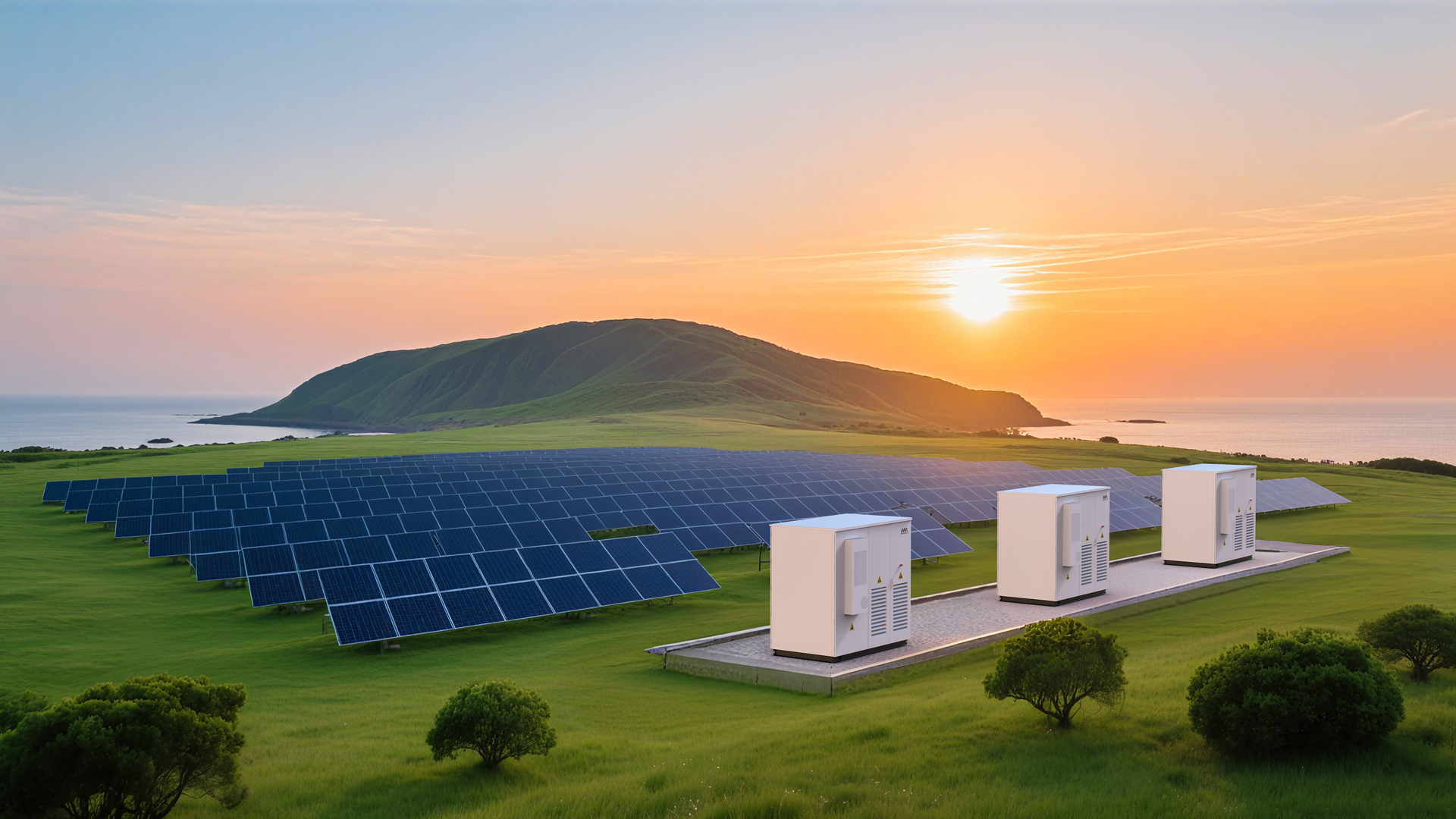
Australia has lots of renewable energy. Solar and wind power are very important for microgrids. Many projects use these to give clean energy and make power more reliable.
Australia has almost 2 million solar electric systems. These systems can make about 7 gigawatts of power. Most are owned by people and small businesses. Using lots of solar power helps the microgrid market grow fast.
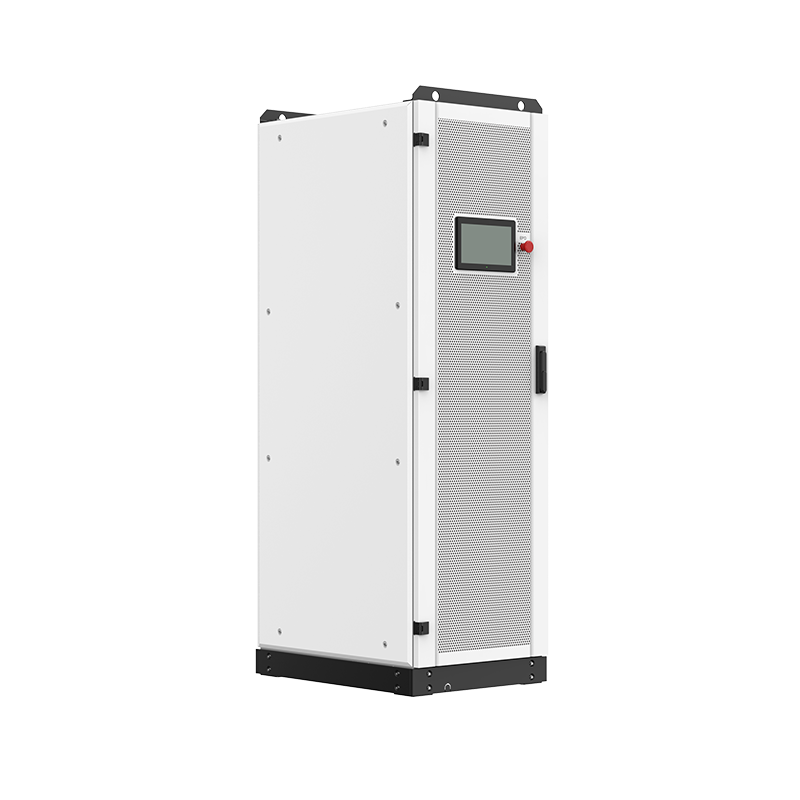
Battery storage is much cheaper now. This makes microgrids easier to build and use. Here are some main changes:
Battery storage in Australia dropped from $A900-$A1,000 per kWh in mid-2024 to $A500-$A625 per kWh.
Global battery prices fell by 86% since 2013, mostly because lithium got cheaper.
In 2024-25, big batteries cost 20% less upfront.
Cheaper batteries mean lower energy prices and less need for diesel. Microgrid projects are now more likely to succeed. People get better power and pay less for energy. Local areas also get new jobs.
Energy prices in Australia change a lot. Microgrids help people handle these changes. They also make power more steady. Microgrids can work alone if the main grid stops. They make energy close to where it is used, so less power is lost. Energy storage lets microgrids give power during blackouts. Smart controls find problems and send power the right way. Using renewable energy in microgrids means less need for fossil fuels when things go wrong. These things make microgrids important for safe and cheap energy.
Tip: Microgrids let communities control their own energy. They help keep power on during storms or emergencies.
Government help is very important for the microgrid market in Australia. Many programmes and funds support new projects. The table below shows some big government actions:
Program Name | Description | Funding Allocation | Focus Area |
|---|---|---|---|
Helps pilot projects for renewable microgrids in country areas. | $125 million total | New ideas and energy reliability | |
Solves technical, rule, and market problems for microgrids. | $50 million (Stream A) | Economic growth and sustainability |
The Bawley Point and Kioloa microgrid project got money from the Australian and NSW Governments. This is part of a $10 million plan to make power more reliable in country areas. The project uses home batteries and rooftop solar to show how government help works.
The Australian microgrid market is getting bigger fast. In 2024, it was worth USD 704 million. Experts think it could be twice as big by 2033. Many people want to use renewable energy now. This makes more projects happen. In 2024, about twenty microgrid studies took place in Australia. The Kalbarri Microgrid is the biggest remote microgrid in the country. It gives power to a whole community. More towns and businesses now think microgrids are a good idea.
Some places are using microgrids more than others. New South Wales and Queensland are very active. Community energy and farming are the busiest sectors. The table below shows the top leaders:
Region | Sector Active | Description |
|---|---|---|
New South Wales | Community Energy | Bawley Point and Kioloa lead with a project for 100 homes using solar panels and batteries. |
Queensland | Agricultural Sector | More local councils are interested in microgrid projects and report more activity. |
In Queensland, councils say there is more interest in community energy.
A market for Community Energy Resources is growing fast.
Many groups want to start new projects soon.
Microgrids are the best choice for project builders.
Government rules help the market get bigger. The Regional Australia Microgrid Pilots Programme gives money to new projects. This programme helps ideas that make energy more reliable. It also helps fix technical and market problems. The government gives rewards for using renewable energy and battery storage. These steps make it easier for towns and businesses to build microgrids. Help from state and federal governments brings more investment. Because of this, the Australian microgrid market keeps growing.
Many towns in Australia have trouble building microgrids. Starting a project costs a lot of money. Small towns often cannot pay these costs. Investors worry about losing their money. Microgrids need lots of money at the start. Old rules make new business ideas hard to use. Some groups do not understand all the rules. These problems slow down microgrid growth.
Complicated rules make building microgrids harder.
High starting costs stop small towns from building.
Investors want simple rules and less risk before they spend money on new energy systems.
Australia does not have a clear meaning for 'microgrid' in its laws. This makes it hard to know which rules to follow. Some projects have trouble with tariffs and who runs the microgrid. The Cobargo project showed microgrids need better help from the government. Without clear rules, some projects cannot go ahead.
No clear meaning for 'microgrid' in laws causes confusion and slows projects.
Problems include tariffs, settling bills, and who is in charge.
The Cobargo microgrid shows why better rules are needed for success.
Microgrids must work well with the main energy system. This is not always easy. The Southcoast Microgrid Reliability Feasibility project found connecting microgrids to the grid is hard. Some places, like Derwent Bridge, do not get much solar energy. This makes using solar power difficult. High costs also make it tough for country areas to build microgrids.
Connecting microgrids to the energy system is hard.
Not enough solar energy can make microgrids weaker.
Technical experts keep looking for better ways to connect microgrids and use more renewable energy.
New technology is making microgrids better in Australia. AI microgrid systems help people manage energy more easily. These systems use smart controls to match supply with demand. They make sure power goes where it is needed most. AI tools use real-time data to guess how much energy people will need. This helps microgrids use more renewable energy and less fossil fuel. In Western Australia, the Kalbarri microgrid shows how local power and batteries keep energy steady for everyone.
AI microgrid technology makes energy easier to use and manage.
Predictive analytics and real-time checks help match supply and demand.
Microgrids like Kalbarri store energy in batteries for later use.
Australia can teach other countries about microgrids. Many places in Asia-Pacific need better ways to get energy. For example, only 60% of homes in Vanuatu have electricity. Some countries spend over 10% of their GDP on fuel for power. Australia’s skills with microgrids can help these countries build stronger energy systems. The Vanuatu Energy Access Project gave more people power but showed more work is needed. Australia can lead by sharing new ideas and technology.
A plan for mixed energy growth helps Australia become the top partner in the Pacific.
Microgrids are important for Australia’s net zero plans. They give people clean, local energy and help cut carbon emissions. Microgrids can work alone if the main grid stops, so energy is more reliable.
The Australian microgrid market is getting bigger because of new technology. The government also gives a lot of help. People want energy that they can trust. Some main reasons are distributed energy resources and new rules. There are still some problems, but fixing them brings more good things:
People and investors want better energy choices.
Microgrids help people use the main grid less.
New rules and local energy ideas bring in more money.
A microgrid is a small energy system for one area. It can make, keep, and use electricity nearby. Microgrids can work with the main grid or by themselves.
Remote communities use microgrids for steady power. They live far from big power lines. Microgrids help stop blackouts and use more renewable energy.
Batteries keep extra energy from solar or wind. They give power when there is no sun or wind. This means the lights stay on all the time.
Microgrids use more solar and wind power. They help lower carbon emissions and need less diesel. This makes them better for the environment.
.png "English")
.png "中文")
.png "Arab")
.png "Spain")
.png "Portugal")