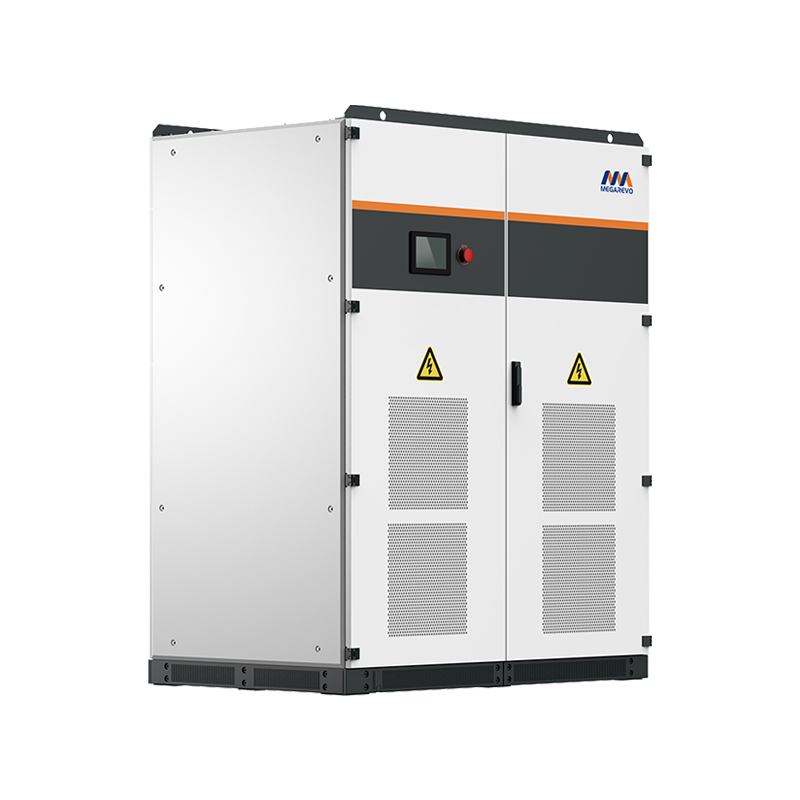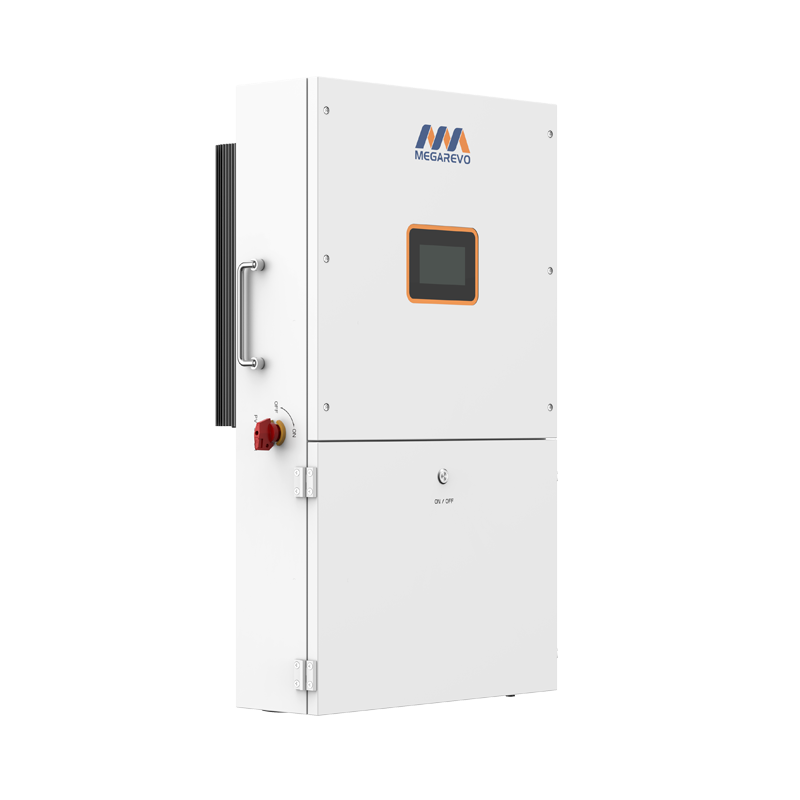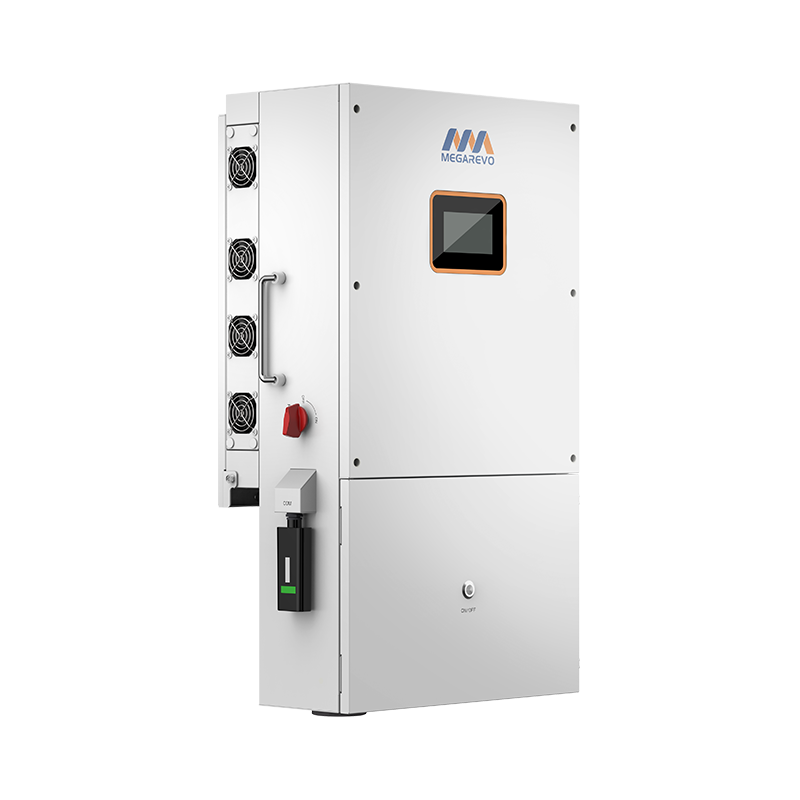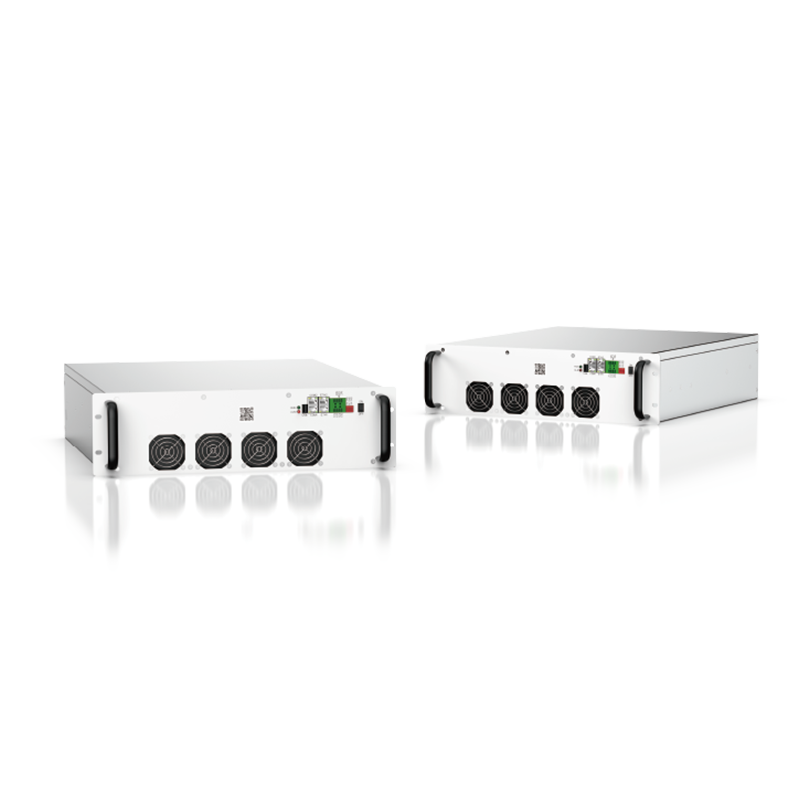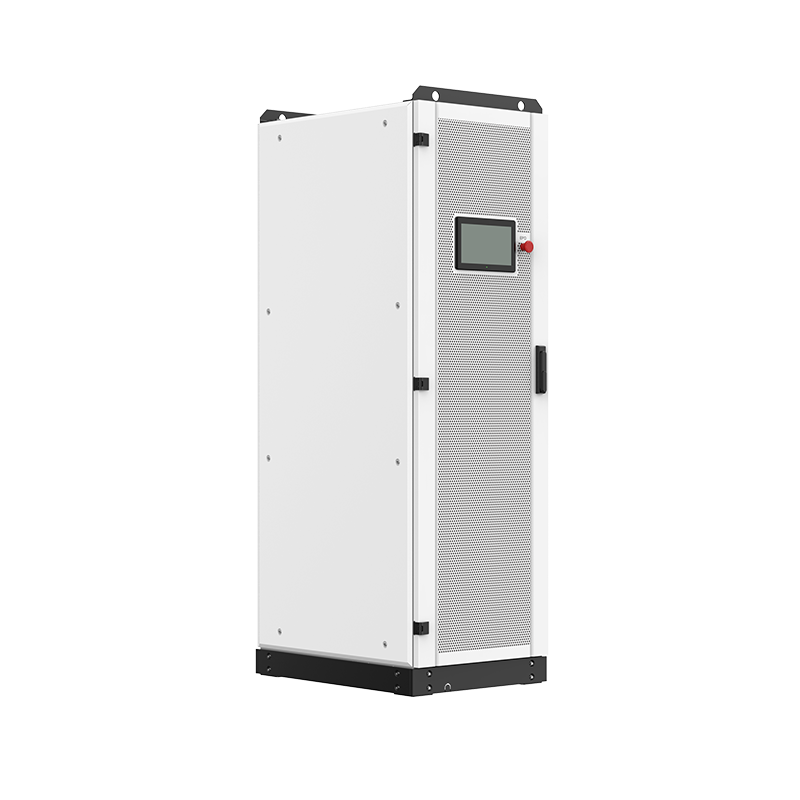
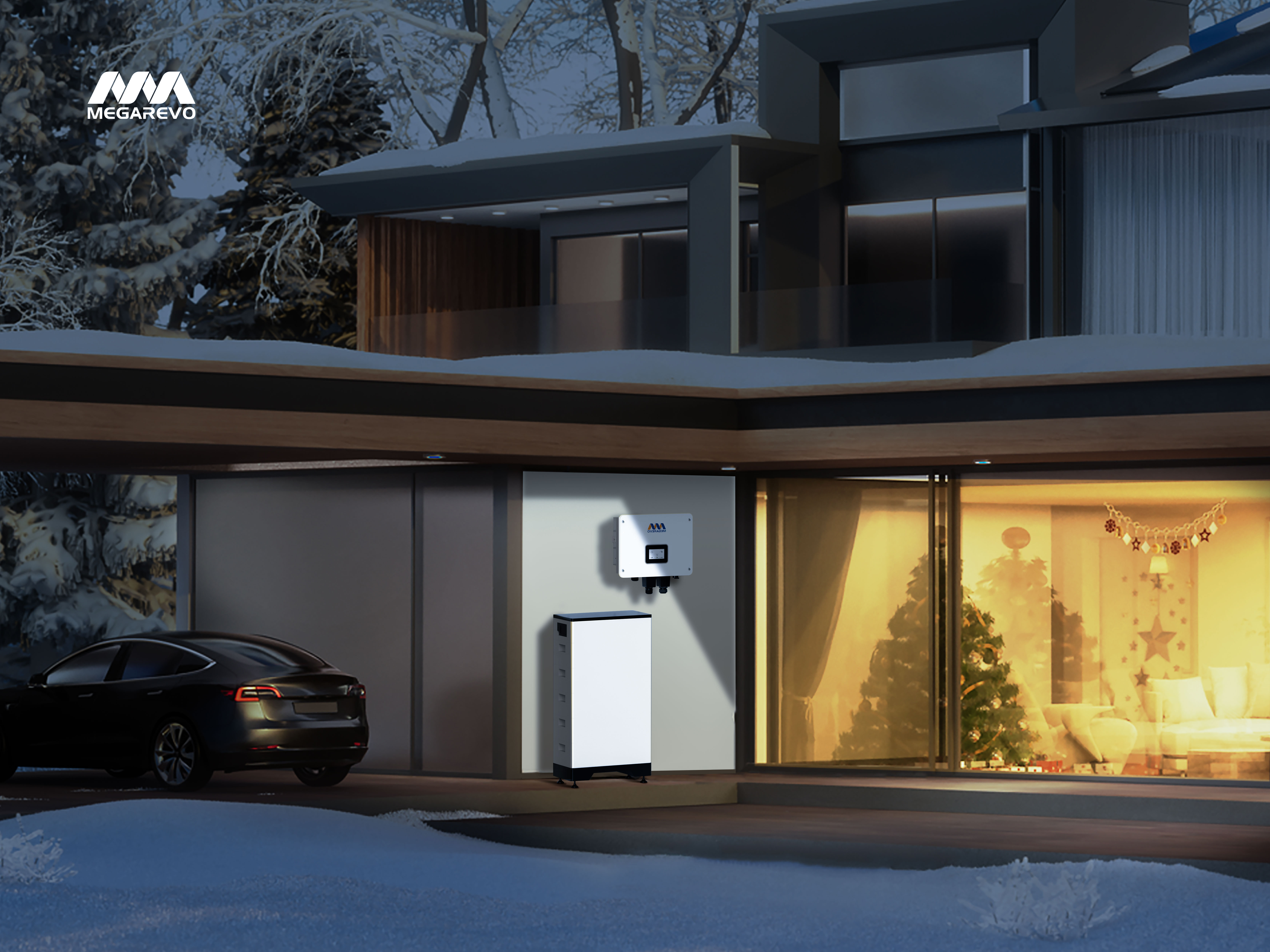
If you want to start extending the lifespan of your hybrid inverter, focus on a few practical habits. Regular maintenance keeps your system running smoothly. Protect your inverter from harsh environmental conditions like heat and humidity. Reliable, long-term solar power starts with the small steps you take today.
Regular maintenance is crucial. Check your hybrid inverter monthly in harsh environments or every 3 to 6 months in normal conditions to catch issues early.
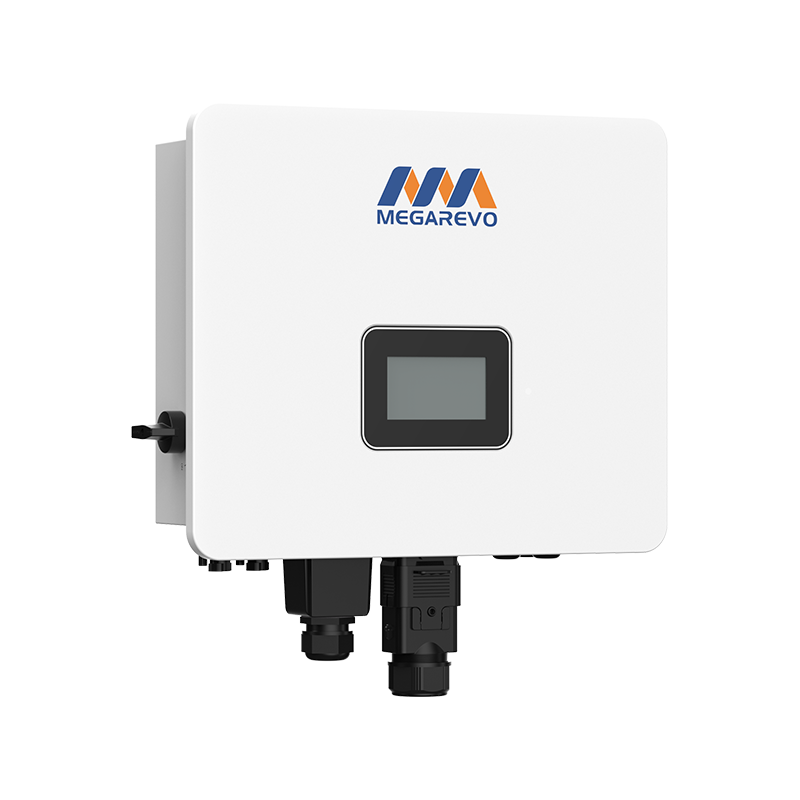
Choose a quality hybrid inverter. Brands like Megarevo offer durability and advanced features that can extend the lifespan of your system.
Monitor performance using displays or apps. Keep an eye on error codes and performance changes to address problems quickly.
Protect your inverter from heat and humidity. Install it in a cool, shaded area and ensure good ventilation to prevent overheating.
Document maintenance and updates. Keep records of inspections and firmware updates to maintain warranty and ensure long-term performance.
You probably want to get the most out of your solar investment. When you extend the maximum lifespan of your solar inverter, you save real money. Hybrid inverters, like the Megarevo hybrid inverter, help you cut down on battery replacement costs. If you boost battery life from 3-5 years to 7-10 years, you can save between $2,000 and $4,000 over ten years. That’s a big deal for any homeowner. You also spend less on maintenance because hybrid systems have fewer parts that need fixing. This can save you another $100 to $300 every year. The typical lifespan of a solar inverter is about 8 to 12 years, but with a quality hybrid solar inverter, you can reach 10 to 15 years. That means fewer replacements and more money in your pocket. Advanced features like MPPT charging and low-discharge protection also make your system more efficient, which lowers your operating costs over time.
You want your solar system to keep your lights on, even when the grid goes down. A reliable hybrid inverter gives you peace of mind. Hybrid inverters make sure you always have power by switching smoothly between grid and off-grid modes. They handle voltage changes, short circuits, and power interruptions, so your home stays powered up. By using smart controls and combining different energy sources, hybrid inverters keep your energy stable. The typical lifespan of a hybrid inverter affects how often you need to worry about outages or repairs. When you choose a system with a longer lifespan, you get steady, reliable power for years.
When you extend the lifespan of your hybrid inverter, you help the planet. Longer-lasting inverters mean you replace parts less often, which cuts down on waste. Hybrid inverters that last longer also make your whole solar system more efficient. This reduces your total energy use and helps lower fossil fuel emissions. By choosing a hybrid solar inverter with a maximum lifespan, you support a cleaner environment and a greener future.
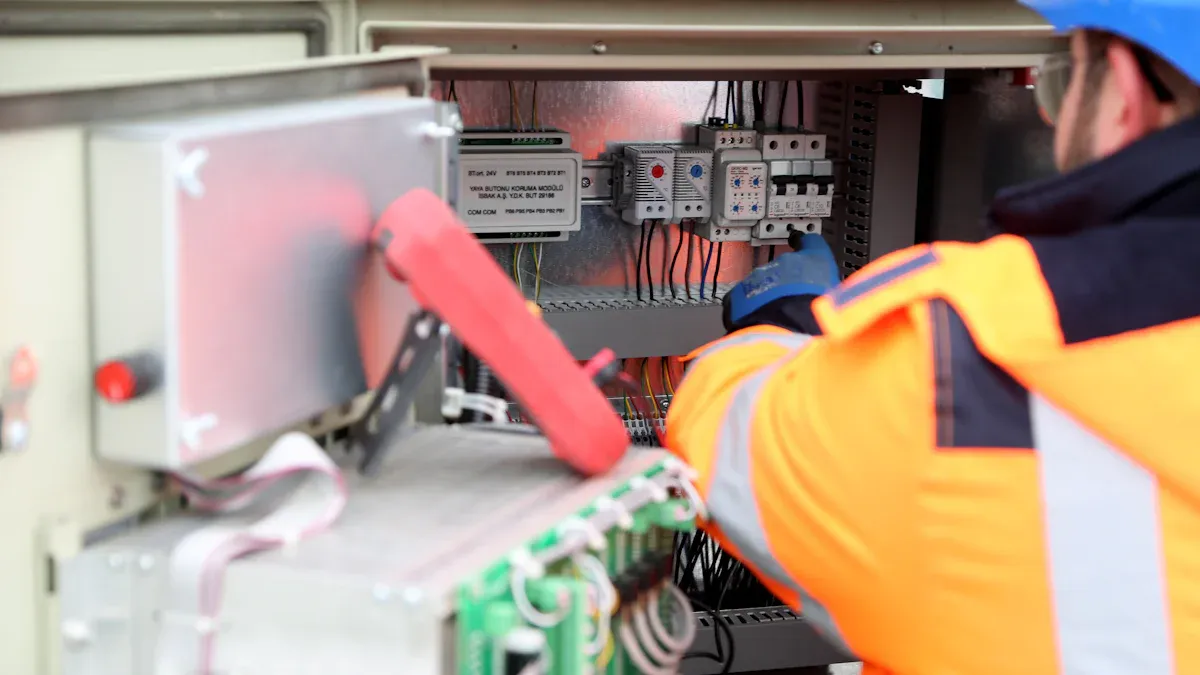
Keeping your hybrid inverter in top shape starts with regular checks and simple cleaning routines. These steps help you spot problems early and keep your solar system running smoothly. If you want to get the most out of your hybrid inverter and reach its full lifespan, you need to make maintenance a habit. Here are some practical maintenance tips for inverter longevity that you can follow at home.
You should look over your hybrid inverter often. Visual inspections help you catch small issues before they turn into big problems. Most experts recommend checking your inverter at least once a month, especially if you live in a dusty, coastal, or industrial area. If your environment is less harsh, you can do these inspections every three to six months.
Environment Type | Recommended Inspection Interval |
|---|---|
Normal | Every 3 to 6 months |
Dusty, Coastal, Industrial | Monthly inspections |
During your inspections, keep an eye out for these common issues:
No power output
Inverter not responding or shutting down randomly
Overheating
Poor ventilation
Internal component failure
Waveform distortion or grid synchronization problems
Severe power drops with no obvious cause
If you spot any of these problems, take action right away. Regular checks help you avoid costly repairs and keep your hybrid inverter working at its best.
Tip: Monthly visual inspections are a must if your hybrid inverter is in a humid, dusty, or pest-prone area.
Dust and dirt can build up fast, especially if your hybrid inverter sits in a garage or outdoor shed. Cleaning is a simple way to prevent overheating and keep your hybrid system running smoothly. Start by wiping down the external grilles with a dry or slightly damp cloth. Make sure the cooling fans and vents stay clear so heat can escape.
Here are some easy cleaning steps:
Regularly clean cooling fans and vents to ensure proper heat release.
Use a dry cloth to wipe external grilles and remove dust.
Employ compressed air to clear internal components like fins or filters.
Avoid installing the inverter at ground level to prevent moisture buildup.
Use desiccant packs or humidity absorbers inside the enclosure to reduce moisture risk.
Always start with the outside before moving to internal parts. If you notice any wear or damage during cleaning, make a note and plan for repairs. Keeping the ventilation grilles clean helps prevent overheating, which is a common cause of inverter failure.
Loose or corroded connections can cause your hybrid inverter to stop working or lose efficiency. You should check all electrical connections as part of your regular maintenance routine. This step keeps your solar system safe and reliable.
Common connection issues include:
Communication problems with solar panels, which can stop power generation. Try restarting the inverter and checking cable connections.
Battery charging issues, which may need you to inspect connections and settings.
Grid connection problems, which sometimes require a restart or a check of the grid setup.
Set up a maintenance checklist and follow the intervals recommended by your inverter’s manufacturer. By following these simple steps, you can keep your hybrid inverter in great shape. Regular inspections, cleaning, and connection checks are the foundation of a reliable solar system.
Keeping an eye on your hybrid inverter’s performance helps you catch problems before they get serious. If you want your solar inverter to last, you need to monitor and maintain it regularly. Let’s look at how you can use displays, apps, and error codes to keep your system running smoothly.
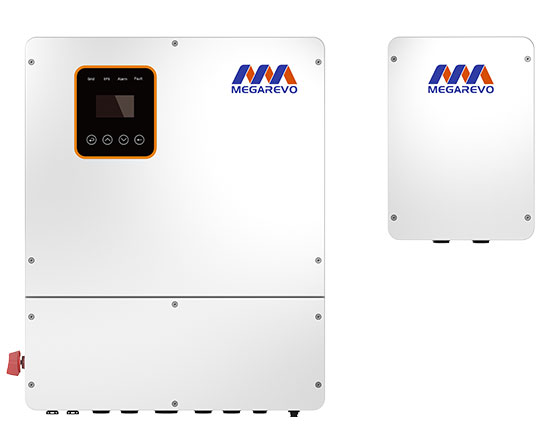
Most hybrid inverters, including the Megarevo hybrid inverter, come with built-in displays or connect to mobile apps. These tools let you check real-time data, such as power output, battery status, and grid connection. You can spot changes in performance right away.
You can use these tools to track your solar inverter’s health from anywhere. If you see a sudden drop in performance, you can act fast.
You don’t need to be an expert to spot trouble. Watch for warning signs on your inverter’s display or app. Common alerts include error codes, flashing lights, or sudden changes in output. These signals often point to grid issues, overcurrent, or frequency problems. Here are some typical error codes and what they mean:
Error Code | Description | Solutions |
|---|---|---|
00 | Discharge Over Current Battery discharge over current. When the battery is loaded, the load is too large. | Nothing needs to be done; wait one minute for the inverter to restart. Check whether the load meets the specification. Cut off all the power and shut down all the machines; disconnect the load and plug in to restart the machines. |
01 | Over Load The load power is greater than the other power(PV, BAT). | Check whether the load reaches the maximum power of the machine. Cut off all the power and shut down all the machines, disconnect the load, and plug in to restart the machines, then check whether the load is circuited if the fault has been eliminated. Contact customer service if the error warning continues. |
02 | Battery Disconnected (Battery voltage not identified) | Check whether the battery is connected Check if the battery wiring port is open-circuited. Contact customer service if the error persists. |
03 | Battery voltage is low in the normal range | Check system settings; if so, power off and restart. Check if the grid is powered down. lf so, waiting for the grid to power up, and the inverter will automatically charge the battery. Contact customer service if the error persists. |
If you see these codes, don’t ignore them. Quick action can prevent bigger problems and extend your solar inverter’s life.
When your monitoring system shows an error, follow these steps:
Check all physical connections. Make sure DC disconnects and AC breakers are ON.
Look up the error code in your inverter’s manual. Each code points to a specific issue.
Try a power cycle. Turn off the AC breaker and DC disconnects. Wait five to ten minutes. Turn everything back on.
If the error stays or you see physical damage, call a qualified technician.
Tip: Don’t try to fix complex problems yourself. Professional help keeps your system safe and reliable.
By using displays, apps, and regular monitoring, you can spot issues early and keep your Megarevo hybrid inverter running at peak performance. Staying alert to warning signs and responding quickly helps you get the most from your solar inverter.
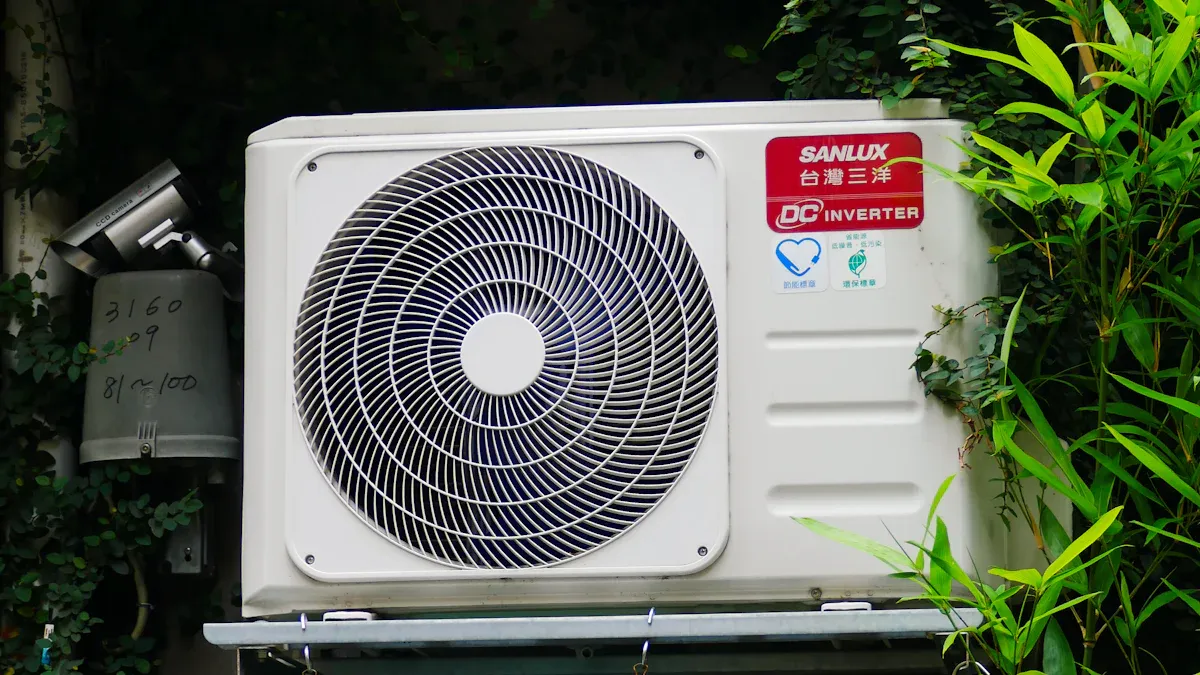
Heat and humidity can really take a toll on your hybrid inverter. If you let your solar inverter get too hot, you risk shortening its lifespan. High temperatures can cause important parts like capacitors and thyristors to fail early. You might even see your energy output drop by 5–10% each year because of overheating. Humidity can lead to rust and electrical shorts, which means more repairs and less time enjoying your solar power.
Here’s what you can do to protect your hybrid system:
Install your inverter in a shaded, cool spot away from direct sunlight.
Keep the area dry and well-ventilated to stop moisture from building up.
Use a thermometer and hygrometer to check temperature and humidity levels.
Aim to keep the temperature between -25°C and 60°C for best results.
Tip: If you live in a hot or humid area, check your solar inverter more often for signs of overheating or moisture.
Moisture and pests can sneak into your solar inverter and cause big problems. You want to keep water, insects, and rodents out of your hybrid system. Here are some proven methods:
Method | Description |
|---|---|
Sealed Enclosures | Use sealed and pest-resistant enclosures to keep out insects and rodents while allowing ventilation. |
Regular Inspections | Conduct scheduled inspections to detect and address pest intrusion early. |
Professional Services | Consult pest prevention services for site surveys and mitigation strategies. |
You should also install your inverter on high ground to avoid water buildup. Make sure the area has good drainage. If you store your inverter before installation, keep it indoors and dry.
Note: Regular checks and smart installation choices help you avoid costly repairs and keep your solar system running strong.
When you want your solar system to last, picking the right hybrid inverter makes all the difference. You might feel overwhelmed by all the choices, but focusing on quality and proven technology helps you avoid headaches down the road.
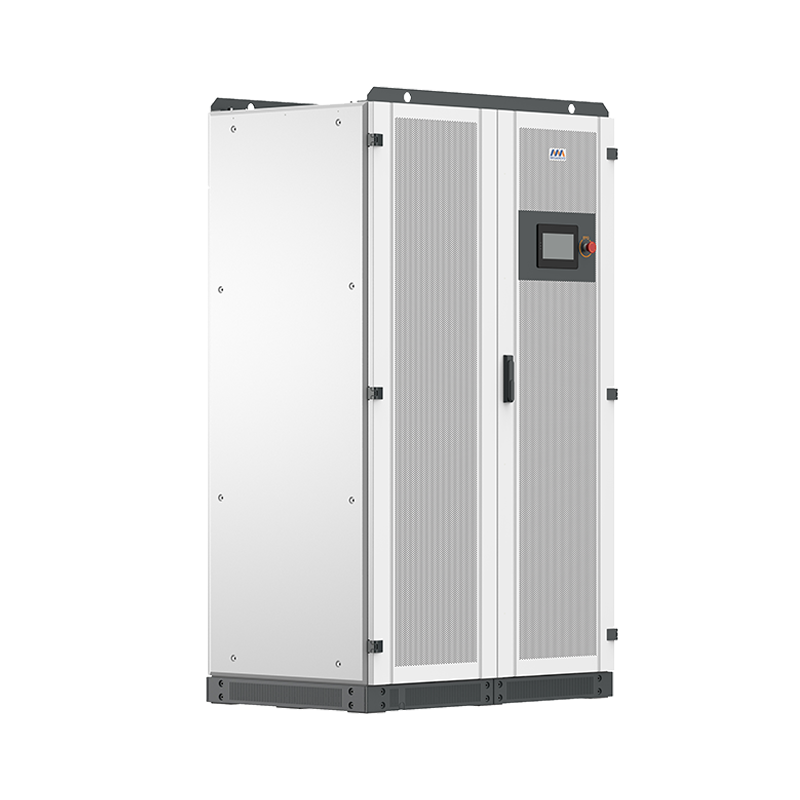
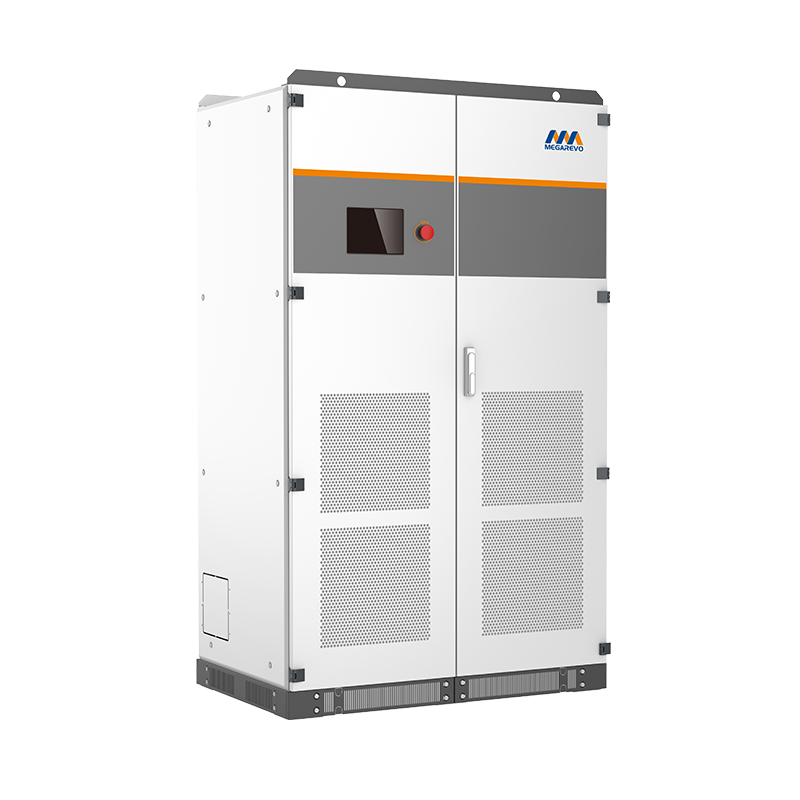
You should always look for hybrid inverter brands with a strong reputation for durability and reliability. That’s where companies like Megarevo stand out. Megarevo’s hybrid inverters are built with industry-proven components, thoughtful thermal design, and robust protection features that help extend system lifespan. Their products are widely used in residential and C&I scenarios, giving customers stable performance in both daily operation and harsh grid conditions.
By choosing a trusted brand with a solid track record, you’re not just buying hardware—you’re investing in longer battery life, smoother energy management, and fewer issues over the years.
You might think that oversizing your hybrid inverter will give you more power and longer life. In reality, running an oversized inverter can cause thermal stress. These devices have cooling systems designed for specific loads. If you push them too hard, especially in hot or poorly ventilated spaces, they can overheat. This leads to reliability problems like derating, shutdowns, and faster wear on components. You want your hybrid inverter to work within its recommended limits for the best results.
Note: Always match your hybrid inverter size to your solar system’s needs. Oversizing can shorten lifespan and reduce efficiency.
Choosing a quality hybrid inverter is one of the smartest moves you can make for your solar setup. You get more years of clean energy, fewer repairs, and peace of mind knowing your hybrid system is built to last.
Getting your battery and inverter to work together is key for a long-lasting solar setup. The watt-hour (Wh) capacity of your battery should meet your home’s energy needs.
You want to check a few things before connecting your battery:
Voltage Matching: Make sure your battery voltage matches the inverter’s input (12V, 24V, or 48V).
Battery Management System (BMS): Confirm your inverter works with the battery’s BMS. This keeps your system safe.
Optimized Charging Parameters: Your inverter should support the right charging settings for batteries.
For a smooth setup, follow these steps:
The BMS should send real-time data (like state of charge, voltage, and temperature) to your inverter.
Make sure your inverter supports communication protocols such as CAN or RS-485.
Your inverter must disconnect if it detects issues like over-voltage or overheating.
Tip: Always double-check compatibility before you connect a new battery to your hybrid inverter.
Tuning your system helps you get the most out of your battery and inverter. You can adjust a few settings to boost performance and extend lifespan. For example, lowering the bulk charge voltage from 58.4V to 55.2V keeps your battery from hitting a stressful 100% charge. Setting a higher low-voltage cutoff at 48.0V leaves a buffer, so you avoid deep discharges. Reducing the maximum charge current to 60A also lowers heat and stress during charging.
Lower bulk charge voltage = less battery stress
Higher low-voltage cutoff = avoids deep discharge
Lower max charge current = less heat, longer life
These tweaks can push your battery’s lifespan from under 4,000 cycles to over 6,000 cycles. That means more years of reliable energy from your hybrid inverter. The inverter manages energy flow between your solar panels, battery, and the grid. You stay in control, and your system stays healthy.
Keeping your battery and inverter in sync is the secret to a solar setup that lasts.
Keeping your hybrid inverter up to date and well-documented helps you avoid headaches down the road. You want your hybrid inverter to run safely and smoothly for years, so let’s look at how you can stay on top of firmware updates, track your maintenance, and keep your warranty in good standing.
You might not think about software when you look at your hybrid inverter, but firmware updates play a huge role in system safety and performance. When you skip updates, you risk:
Incorrect safety settings that could leave your battery unprotected during extreme weather.
System instability, which can cause your inverter to shut down or fail.
Falling out of compliance with local grid codes, which could lead to operational penalties.
Manufacturers like Megarevo often release updates to fix bugs, improve efficiency, or add new features. Always check for updates through your monitoring app or the manufacturer’s website. If you’re unsure, ask your installer for help.
Tip: Schedule a reminder every few months to check for new firmware. Staying current keeps your hybrid inverter safe and reliable.
You want to keep a clear record of every maintenance task. Monitoring apps can log data automatically, showing that your system runs as it should. A simple maintenance log helps you spot trends, like a drop in output or repeated error codes. Regular inspections and notes about what you find make it easier to catch small issues before they become big problems.
Here’s a quick checklist for your log:
Date and type of inspection
Any cleaning or repairs done
Error codes or warnings noticed
Actions taken
If you ever need to make a warranty claim, you’ll need proof that you took care of your solar inverter. Keep all your records in one place—digital or paper. Save receipts, inspection logs, and any communication with your installer. Regular documentation shows you followed the rules and helps you get support faster.
You do your best to keep your hybrid system in top shape, but sometimes you need an expert. Knowing when to call a technician can save you from costly inverter replacement and unnecessary downtime. Let’s break down the signs, how to pick the right pro, and what happens during a service call.
You might notice a few warning signs that mean it’s time to call for help. Don’t wait until you need a full inverter replacement. Watch out for these issues:
Unusual noises, like clicking or squealing, coming from your hybrid inverter.
Fluctuations in power output, such as flickering lights or devices shutting down.
Overheating issues, including excessive heat or frequent shutdowns.
Frequent error codes on the display panel.
Reduced battery efficiency, like needing to recharge more often or batteries not holding a charge.
If you spot any of these, you should consider a professional check before a replacement becomes your only option.
Choosing the right technician can make all the difference in avoiding unnecessary inverter replacement. Look for these qualifications:
Qualification Type | Key Skills and Knowledge Areas |
|---|---|
Electrical systems, safety standards, testing instruments, energy storage systems | |
Solar Energy Specialization | Photovoltaic system design, inverter systems, solar panel technologies, performance analysis software |
Safety and Regulatory Knowledge | OSHA standards, electrical safety, environmental regulations, fire safety protocols |
Educational Background | Associate degree in renewable energy, industry certifications, ongoing education in new technologies |
A qualified technician will help you decide if you need a repair or a replacement, and can answer questions like when to replace hybrid inverters.
You can boost the lifespan of your hybrid inverter by following a few simple steps. Install your solar inverter in a cool, shaded spot and stick to a regular maintenance routine. Choose high-quality products like the Megarevo hybrid inverter. Stay proactive—monitor your solar system, schedule professional inspections, and keep records. These habits help you save money, avoid repairs, and enjoy reliable solar power for years. Protect your investment and keep your energy flowing strong!
You should check your hybrid inverter at least once every three months. If you live in a dusty or humid area, monthly checks work best. Regular inspections help you catch problems early and keep your system running strong.
Yes, you can clean your inverter. Use a dry or slightly damp cloth for the outside. Keep vents clear of dust. If you see damage or need to open the case, call a professional.
If your inverter overheats, it may shut down or lose efficiency. You might see warning lights or error codes. Move it to a cooler spot or improve ventilation to fix the problem.
Yes! Firmware updates fix bugs and add new features. They keep your inverter safe and efficient. Set a reminder to check for updates every few months.
.png "English")
.png "中文")
.png "Arab")
.png "Spain")
.png "Portugal")